
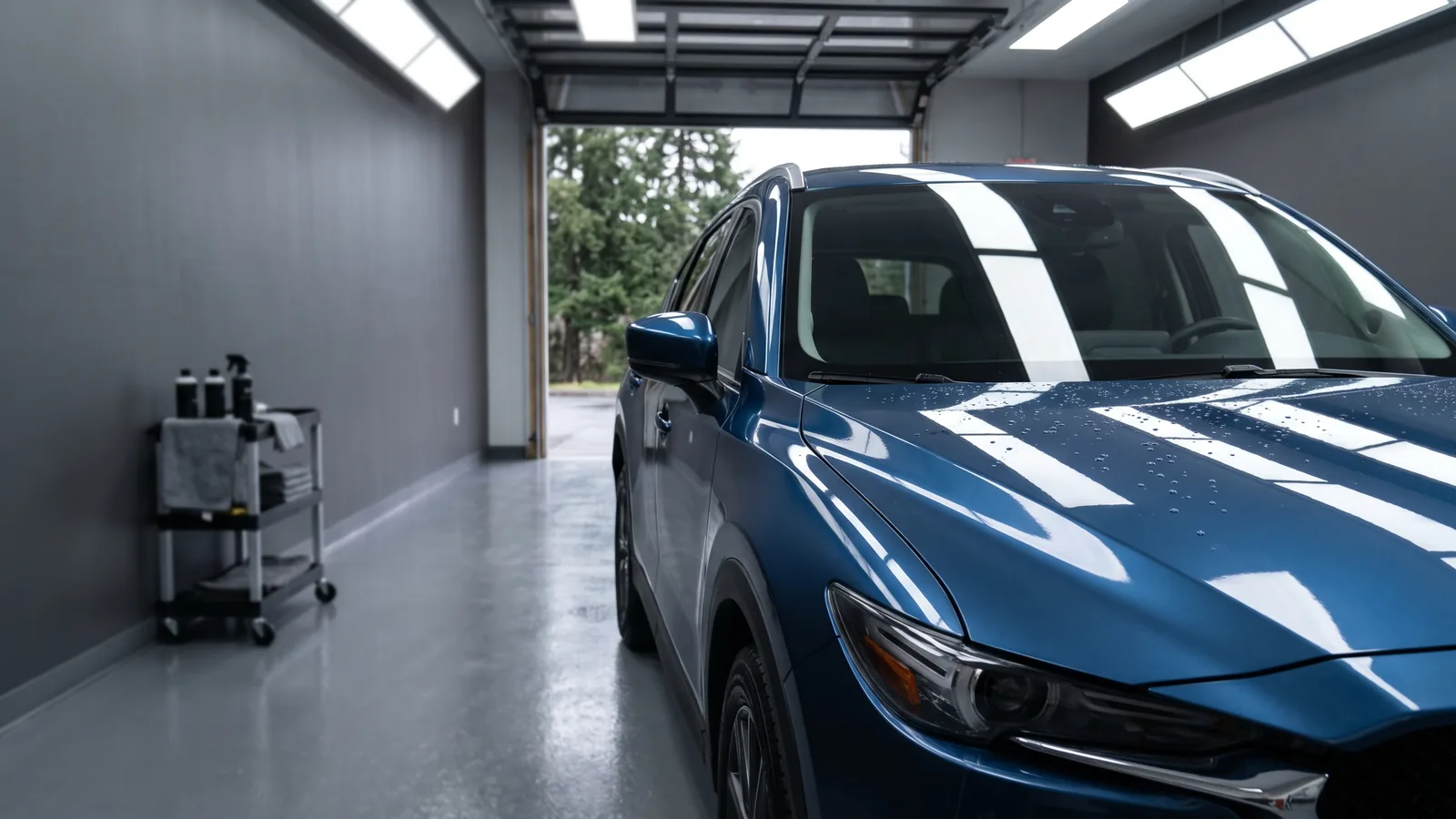
Full Body PPF by Panel Group and Finish
Full body means film on every painted surface, not just the panels that face the road. What the film is and how thick it runs is on the paint protection film page; this page is about covering all of it.
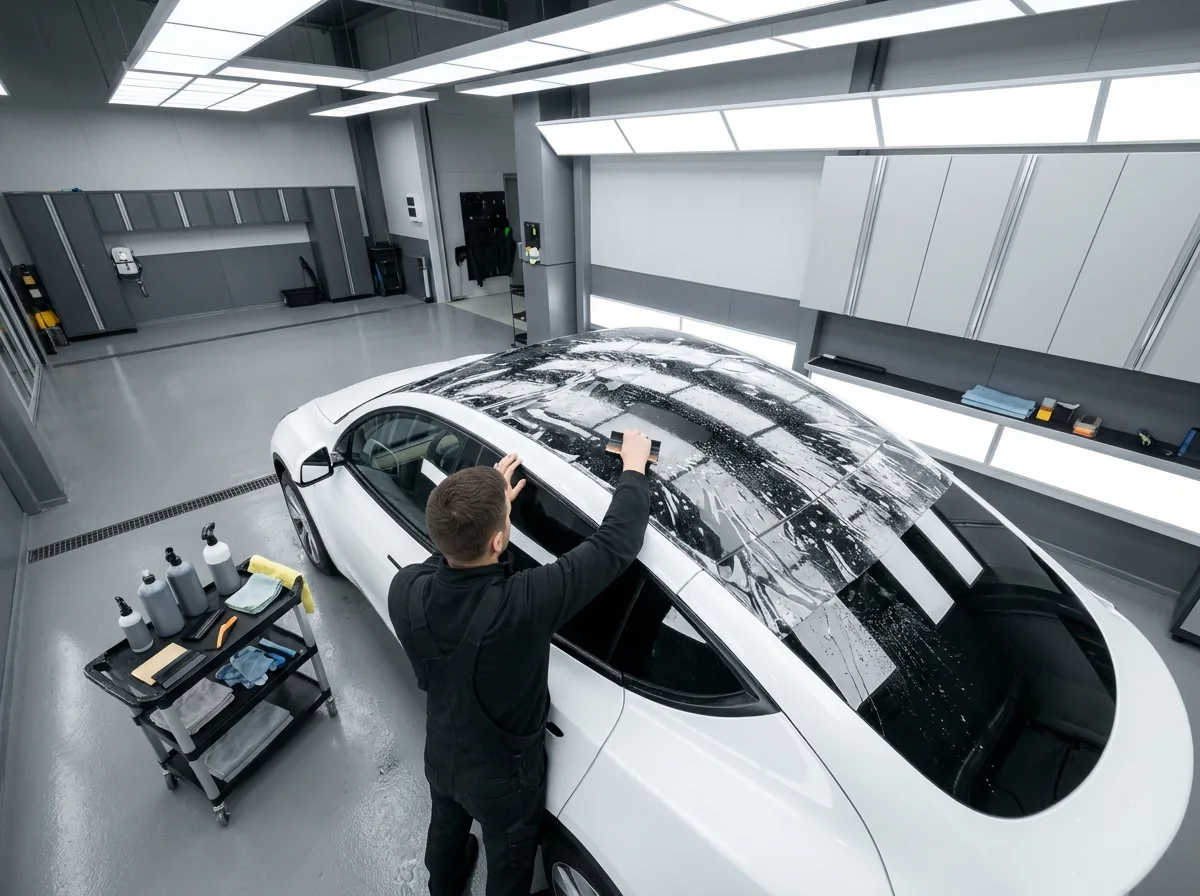
Every Painted Panel, Roof to Rockers
Whole-car film adds the roof, doors, quarter panels, trunk or liftgate and rocker panels to the front-end set. One film maker also lists carbon fiber trim, rear wings, side skirts and diffusers as surfaces its film can cover. The front-end panels and their options are on full front PPF.
- Typical panel count: every painted exterior panel
- Often added: painted trim pieces, spoilers, door edges
Doors, Edges and Handle Cups
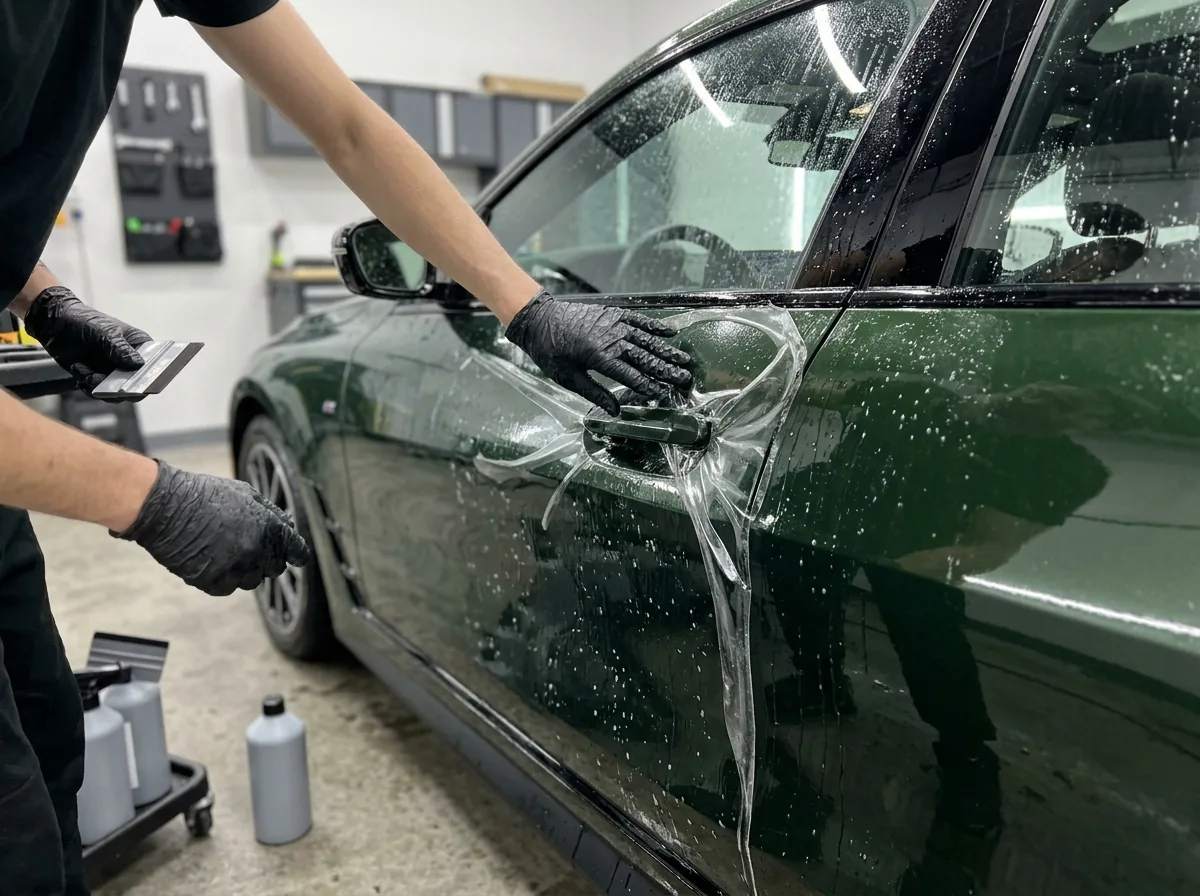
Door edges and the cups behind the handles get touched every day, and they're the fiddliest film to fit. Edmunds says full installs pull door panels, taillights and exterior trim so the film can tuck into seams without lifting. One film maker says removing emblems, handles and window trim gives a cleaner look but isn't required. Ask which parts come off and who refits them.
Gloss Full Body on New Paint
New paint is the easiest case: little or no correction, and nothing under the film you'd rather not see. Edmunds' project car was a current-model coupe, and the clear gloss film made its pearl paint read more strongly. One film maker recommends getting film and coating on a new vehicle as early as possible. For the rest of a new-car plan, see new car paint protection.
Satin or Matte Full Body
Satin film turns gloss paint flat and still protects it, and it can be peeled off later. It's also the way to protect factory matte paint, which can't be spot-repaired. Finishes, care and cost are on matte and stealth PPF.
Full Body on a Car That Needs Correction First
Film is transparent, so it shows whatever is underneath. Edmunds' install started with a paint inspection to decide whether correction was needed for that reason. One film maker's install bulletin says paint must be free of scratches and fully cured, and that wax, polish and aftermarket coatings must be removed before film goes on. The levels and hours are on paint correction.
Why Kent car, truck, boat and RV owners call Ceramic Coating Kent
- Sending a request costs you nothing, and you decide whether to book
- It reaches one independent local shop, never a list of bidders
- Ask for a paint-depth reading and an inspection before correction is priced
- Ask which coating goes on and whether the maker has the warranty registered
- Plan for a week or two without washing while the coating cures
Full Body PPF Cost and Days at the Shop
Full body is the top of the film price range. National figures, from car media:
About $4,000 to $7,000
Kelley Blue Book's typical range for full-car coverageUp to $8,000
Edmunds' ceiling for a PPF install$8,735
complete coverage in 10-mil film on Edmunds' small coupe, before its $1,000 coating$2,500 or more
a second KBB page's lower figure, which depends on film type and warranty
The KBB pages disagree, so read the $2,500 as a floor rather than a typical price. Size, film thickness and how many parts come off move the number most; thicker film takes longer to work, and installers usually charge by the hour. The numbers above come from national car media and one test car. A Kent shop prices your car after seeing it, so treat them as a way to judge a written quote.
Plan for the car to be gone. Edmunds' full install took about a week, and the first wash waits another 48 hours after pickup in one maker's care sheet. Edmunds also says a full film job may not pay off on a car under $30,000, where it can be a large share of the car's value.
Full Body PPF Care at Home
Film needs washing like paint does, and a few things damage it faster. From film makers' care sheets:
48 hours
before the first wash after install (72 for one maker's colored film)Every two weeks,
or about 600 miles, a hand wash out of direct sun (one maker's schedule)No brush tunnels
Touchless or hand washing only; one maker's warranty excludes automatic-wash damagePressure washer back,
about 3 feet, and never aimed at film edgesBugs, droppings and hard-water spots off quickly,
since one maker's warranty excludes water-spot stainsA yearly look by the installer,
which Edmunds and film makers both recommend
Film makers' warranties usually cover defects such as yellowing, cracking, blistering and delamination for about 10 years, and cover the film only, not the paint under it. Many owners add a coating on top for easier washing; how that pairing works, and which coatings a film warranty accepts, is on ceramic coating over PPF.