
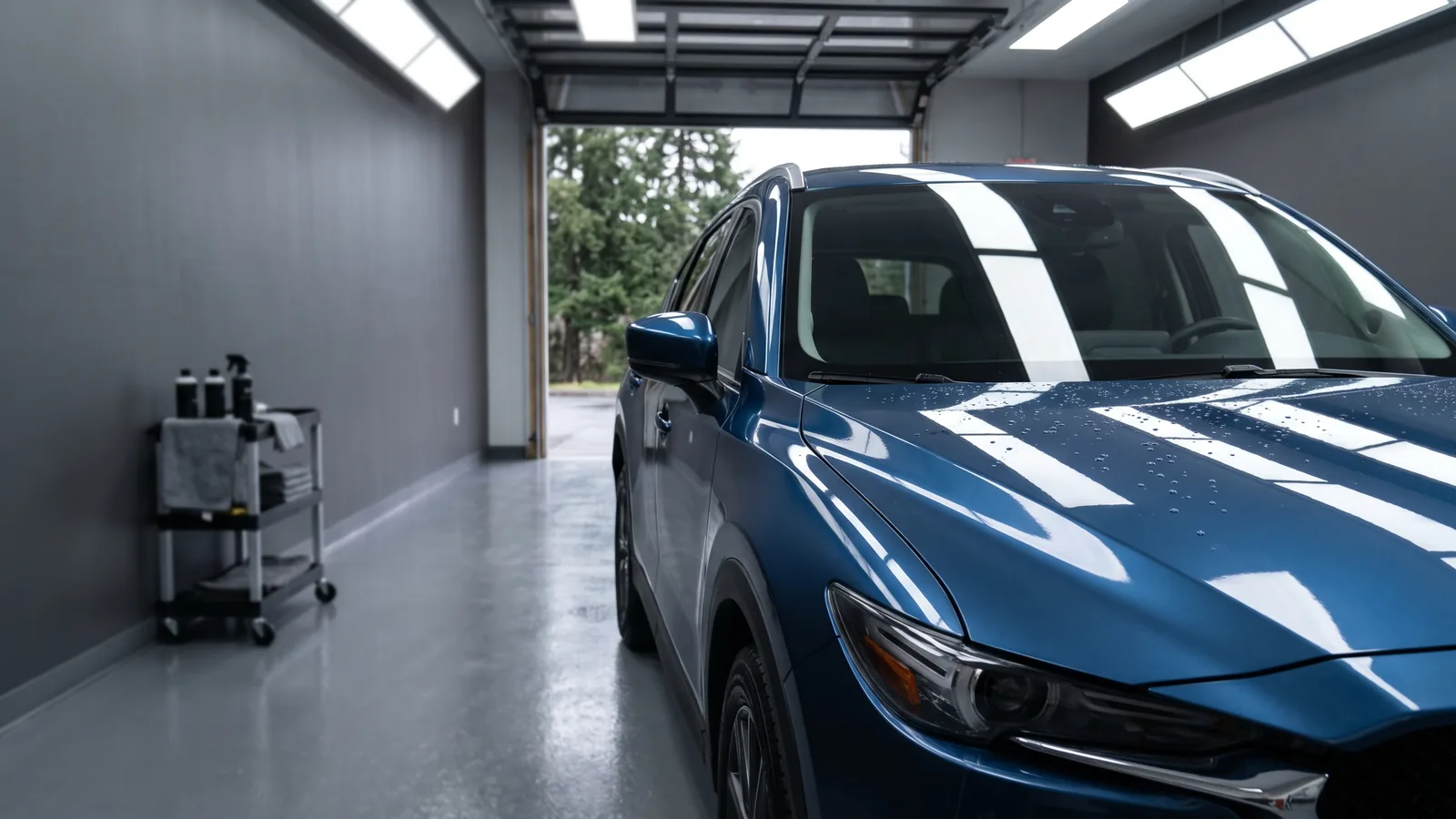
Wrap Coating Options by Finish
Wrap film is softer than clear coat and can't be polished like paint, so the coating has to be one made for film, and the finish of the wrap decides which one.
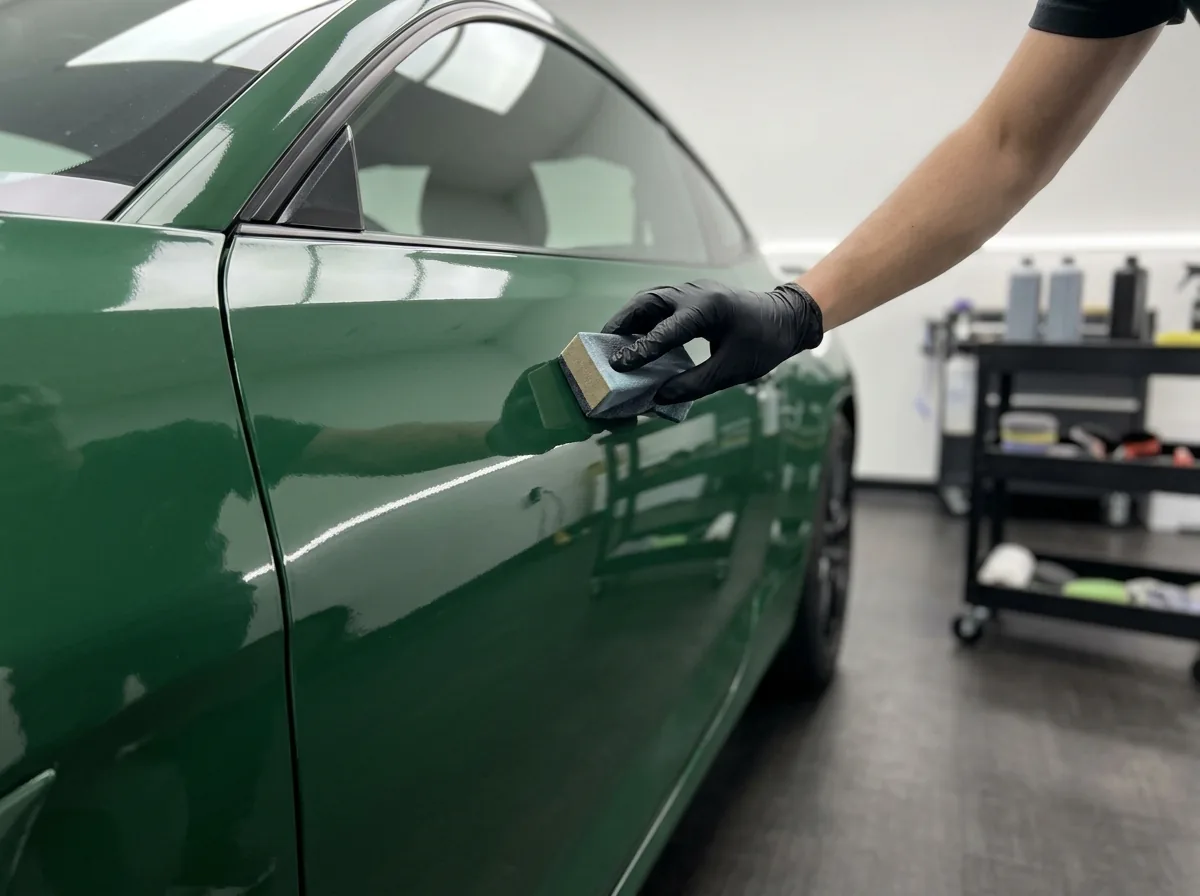
Gloss Color-Change Wraps
Gloss film is the easy case, and the one that shows wash scratches. One wrap maker warns that gloss film needs "extreme care" when washed: rinse the grit off first, then wash gently with a soft cloth. Most light scratches disappear when the film warms in the sun, it says. Coatings made for film are sold to make the surface slicker so less rubbing is needed. One maker's film top coat leaves a "slick and glossy finish, emulating a paint-like appearance," which suits a gloss wrap.
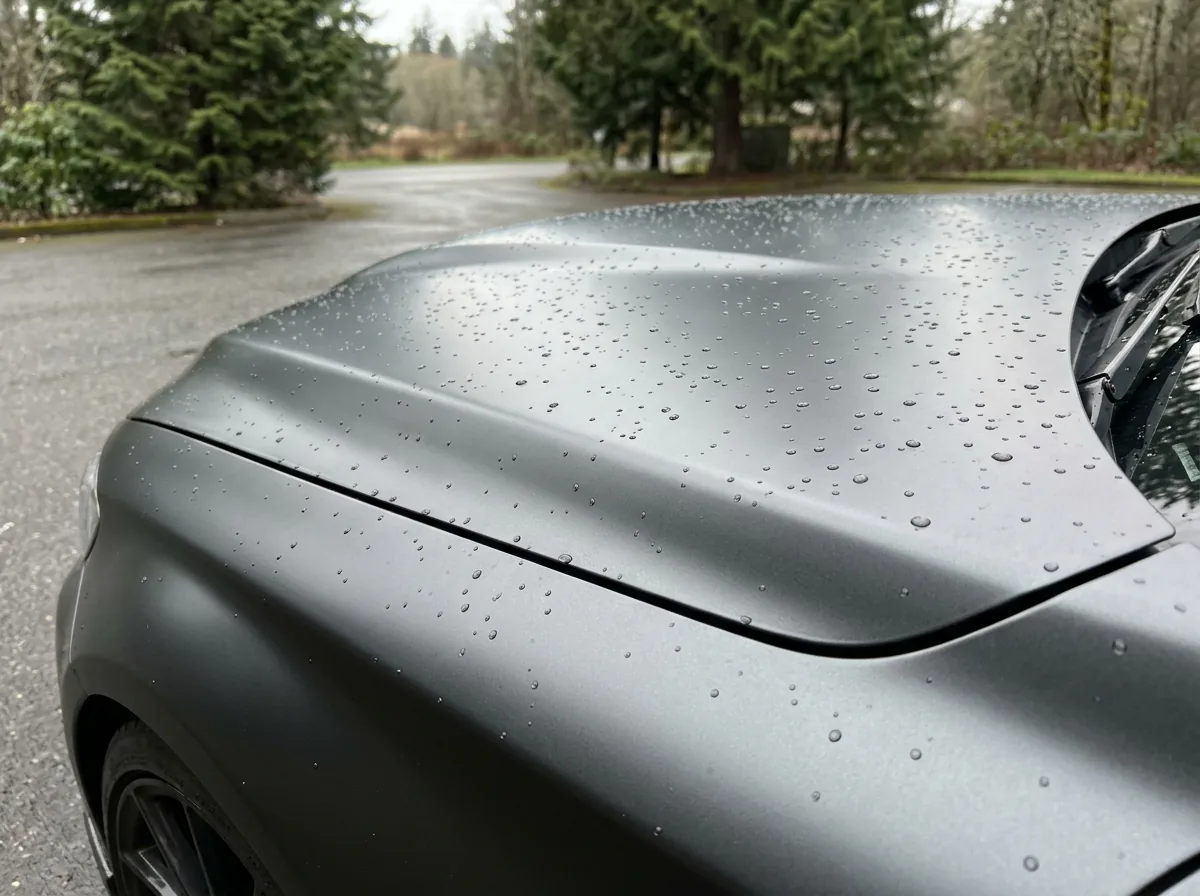
Matte and Satin Wraps
On matte and satin, the risk is changing the look. One coating maker says its film base coat doesn't change the sheen of satin or matte film, and another sells its film coating as safe on gloss, satin and matte. A gloss top coat is the wrong product here. One wrap maker notes that matte film shows fingerprints more and that some care products can streak it. A third coating maker goes further and advises against any semi-permanent coating on a matte finish that can't be polished if the coat goes wrong.
Textured, Chrome and Specialty Films
Carbon-fiber-look, brushed-metal and chrome films are the specialty end. One wrap maker recommends its own care products on gloss, satin and textured films, and tells owners never to use polish or cutting compounds, which abrade and scratch film. Chrome and dark wraps scratch more easily, one coating maker says. They also cost more to wrap in the first place: chrome material alone can top $8 a square foot and carbon fiber runs $4 to $9, by one maker's figures.
Printed Commercial Wraps
Printed graphics on work vans and company cars are coated for the same reason as color-change film: easier washing. They're also washed harder. One wrap maker's limits for pressure washing are 1,200 psi or less, a wide spray nozzle up to 90 degrees, at least 30 cm (about a foot) from the film, held square to it, and hot water no hotter than 70°C, to keep edges from lifting. Coating warranties can be a problem on business vehicles: see the fleet coating page.
Coating a Wrap That's Already Aged
Coating an older wrap protects what's there; it doesn't bring faded film back. A wrap left dirty and out in the sun eventually degrades, one wrap maker says, and because polishing scratches film, a tired wrap can't be corrected the way paint can. Before a coating goes on film that's been on the car a while, one coating maker calls for a wash with an all-purpose cleaner and an iron remover. If the wrap is near the 5 to 7 years KBB expects, it may be worth pricing a new wrap first. One coating maker also says a coating cuts the time needed to peel the old film off later, a claim worth weighing if replacement is a few years out.
Why Kent car, truck, boat and RV owners call Ceramic Coating Kent
- Sending a request costs you nothing, and you decide whether to book
- It reaches one independent local shop, never a list of bidders
- Ask for a paint-depth reading and an inspection before correction is priced
- Ask which coating goes on and whether the maker has the warranty registered
- Plan for a week or two without washing while the coating cures
What Wrap Makers Say About Coatings
Read the film's warranty before you coat it. The two wrap makers whose care documents we read take different lines:
Coatings excluded
one major maker says coatings, ceramic coatings included, are excluded from its film warranty, should only be used on a test-and-approve basis, and that it does not warrant its film with a coating on itIts own sealant
the other sells its own wrap sealant and makes reapplying it part of the care schedule, monthly in heavy use; any other protectant must be free of alcohol, acids, ammonia, chlorine and petroleum distillates, and is test-and-approve tooFirst wash
not within 48 hours of install (one maker) or 72 hours (the other)Car washes
hand washing is best; if it has to be a car wash, one maker says touchless, since brush washes can dull and scratch film and lift its edges
KBB adds one more rule for wrapped cars: don't wax them, because many waxes contain abrasives. The practical step is to ask the wrap installer which film is on the car and what it will accept, and to get the answer in writing.
Wrap Coating Cost and Timing
KBB's figure is that a professional coating can add $1,500 or more to a wrap. For scale, the wrap itself runs, in estimates KBB collected from a national wrap distributor:
Small car
$1,800 to $2,500Sedan
$3,000 to $4,500Pickup truck
$3,200 to $5,000Luxury vehicle
$5,500 to $10,000
Those are national numbers from car media. For a local figure, the shop needs the film brand, the finish and how much of the car is wrapped. A partial wrap, a roof or a hood, is a smaller coating job than a whole car.
Timing follows the film. Let the wrap get through its no-wash window, have it washed and decontaminated, then coat; one film coating wants 12 hours indoors after it goes on. If the paint under a partial wrap is being coated too, the paint protection film page explains how film thickness compares with a vinyl wrap's.