
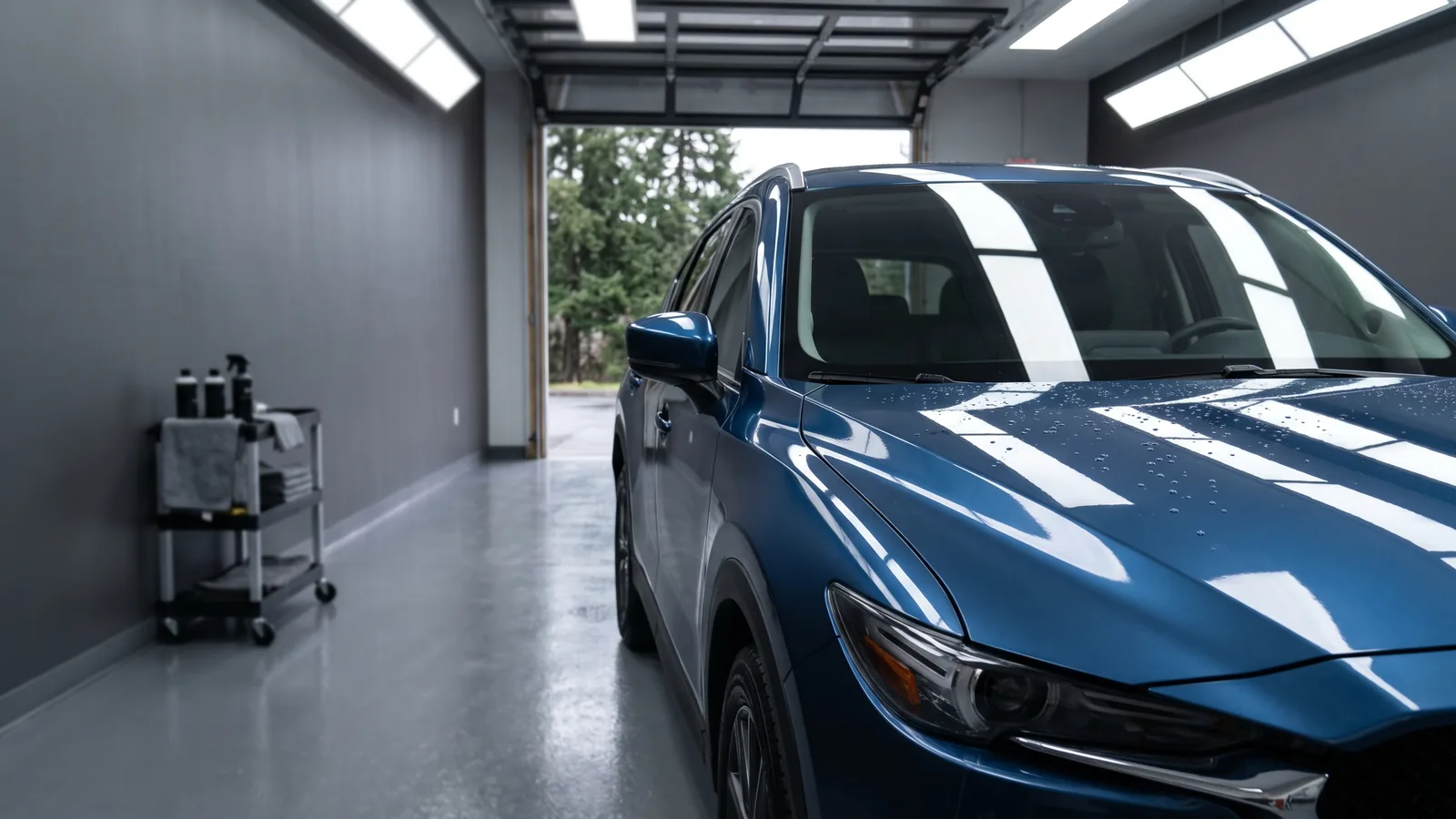
Graphene, Ceramic and Silicon Carbide Coatings Side by Side
Three chemistries are sold as paint coatings, plus a layer of sprays that keep them going. They differ less than the labels suggest: all of them are thin, hard, slick layers over the clear coat.
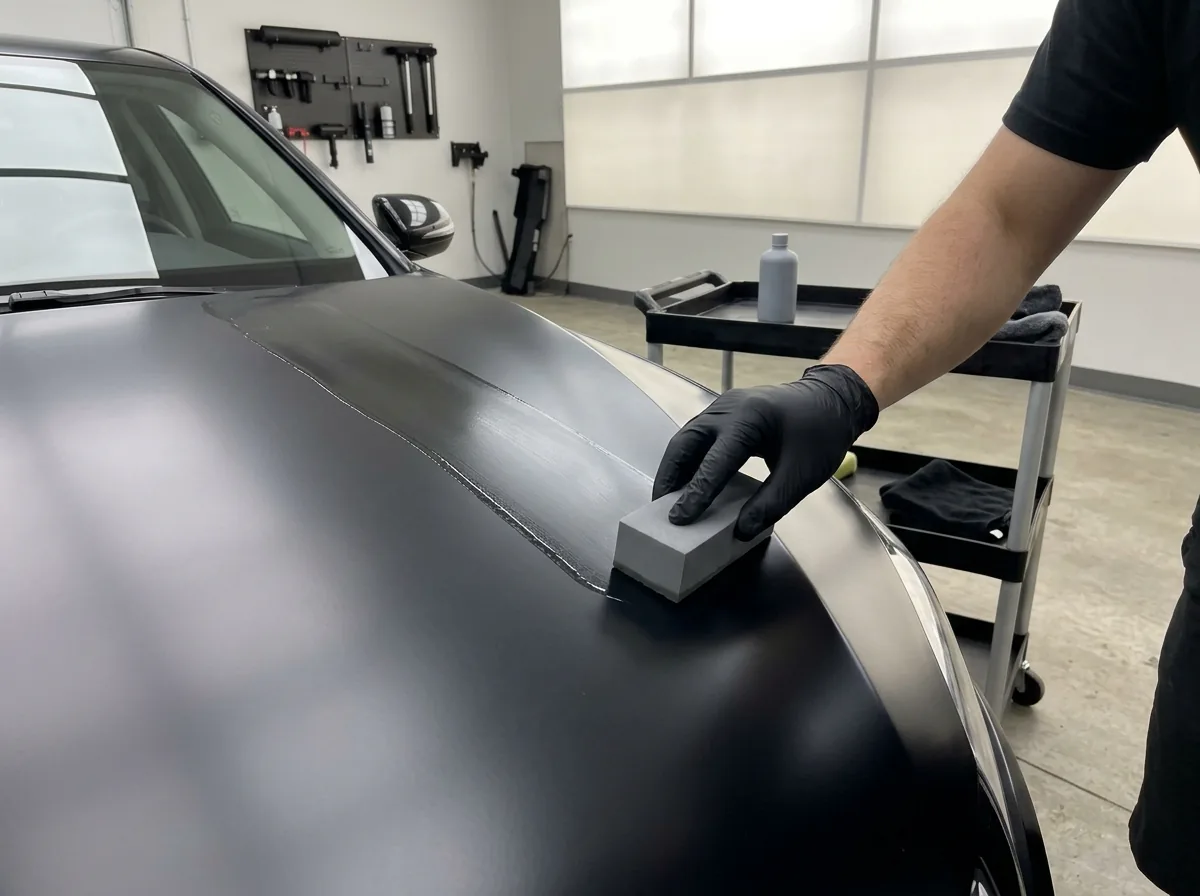
Graphene-Oxide Hybrid Coatings (What's Actually in the Bottle)
Graphene is a single sheet of carbon atoms, but that isn't what goes on a car. Automotive products use graphene oxide, almost always blended into an SiO2 ceramic. The graphene kit's maker explains why: graphene is a flat, unreactive sheet that won't bond to anything, so it is grafted onto a ceramic molecule. The ceramic bonds to the paint and the graphene sits at the surface. The claims that follow are slickness, less static so dust settles less, and fewer water spots. Like any coating it's semi-permanent: one graphene kit's instructions warn that a bad application may need polishing to correct.
Standard SiO2 Ceramic Coatings
This is the yardstick graphene and SiC get measured against. Silicon dioxide forms a semi-permanent bond with the clear coat, so the only way to take it off is abrasion. A "quartz" or "glass" coating is, in nearly every case, the same SiO2 under another name. Maker ratings run from a year or so for consumer kits to as long as 9 years for professional products; the most candid maker we read expects four to five years from a daily driver. The tiers and their national prices are on the homepage.
Silicon Carbide (SiC) Coatings
SiC is the newest label on the shelf. A post on one coating maker's blog claims SiC lasts 10 years or more with proper care, against 1 to 3 for SiO2. That is a maker's claim, not a test: we found no independent durability comparison of SiO2, SiC and graphene. Treat a SiC upgrade on a quote the same way as graphene: ask what the warranty says, not the brochure.
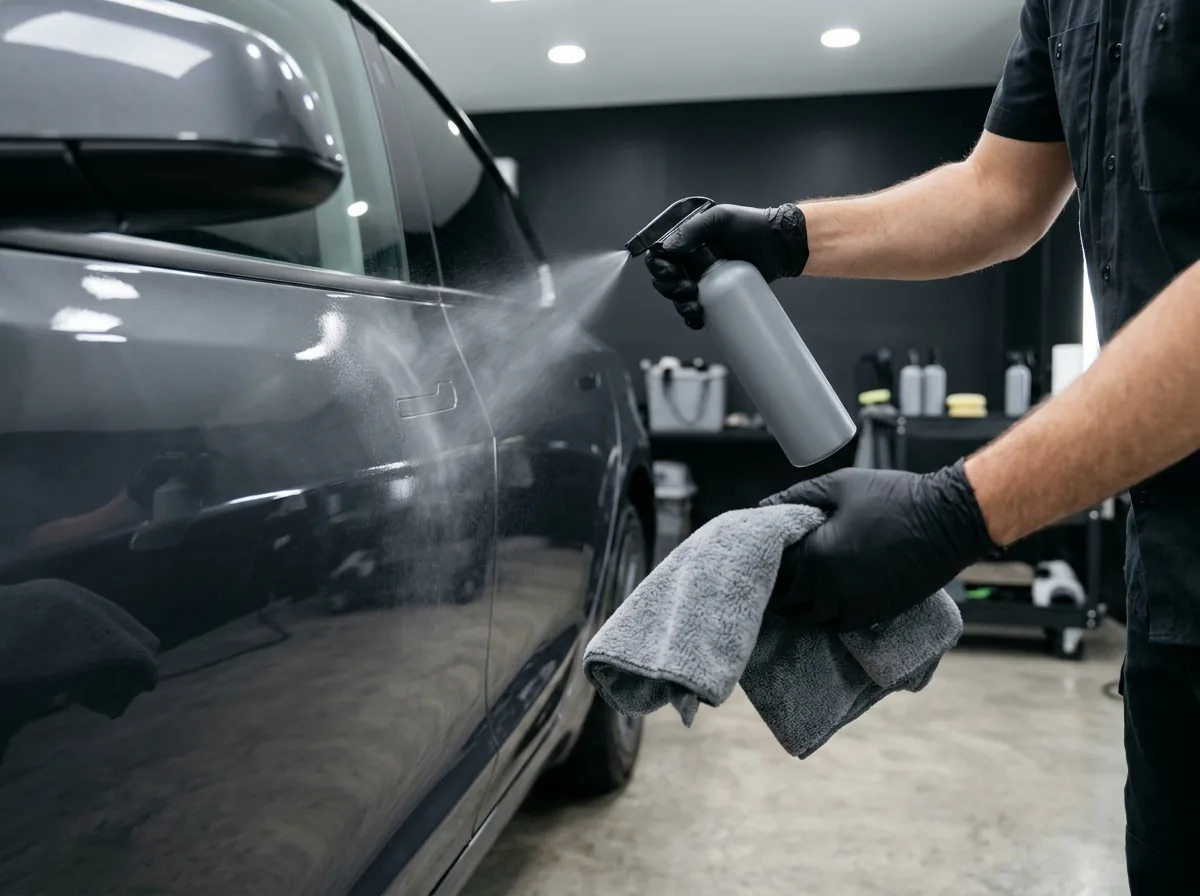
Graphene Sprays and Toppers Over an Existing Coating
Not every graphene product is a full coating. One maker's own range shows the spread: a graphene detail spray lasts a few weeks, while a more concentrated graphene booster is sold for 2 to 3 months or more per application. These go over a coating that has already cured, and refresh the beading when it starts to fade. Maintenance washes and toppers for a coated car are covered on ceramic coating maintenance.
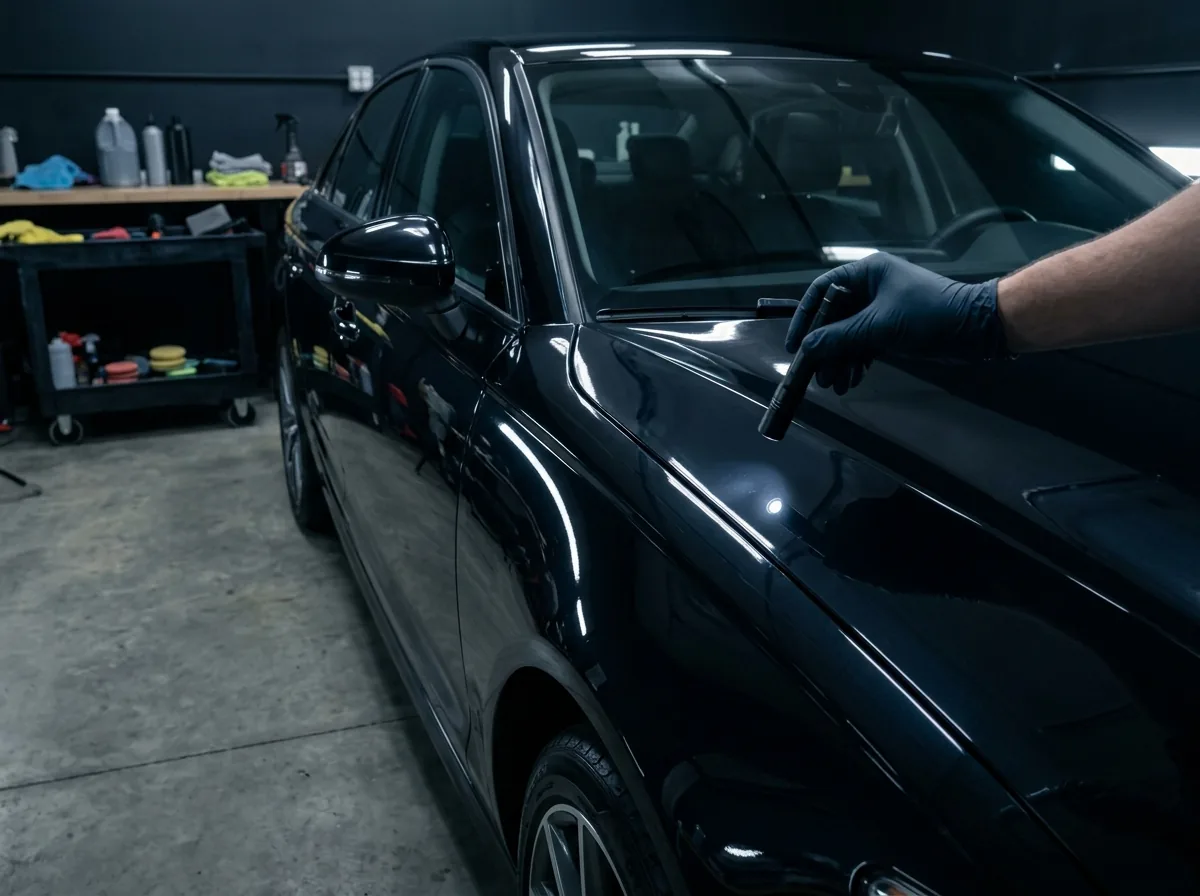
Multi-Year Graphene Packages and What the Years Mean
Packages are sold as 2, 5, 7 years or lifetime, and the number is a warranty term rather than a measured life. One large coating brand's warranty ties every tier to a yearly service within 30 days of the anniversary; miss it and a 5-year package becomes a 2-year one. A DIY graphene kit on a store shelf claims 7 years or more. Neither number tells you how the coating will look in year five on a car that's washed badly. How registration and inspections work is on the maintenance page.
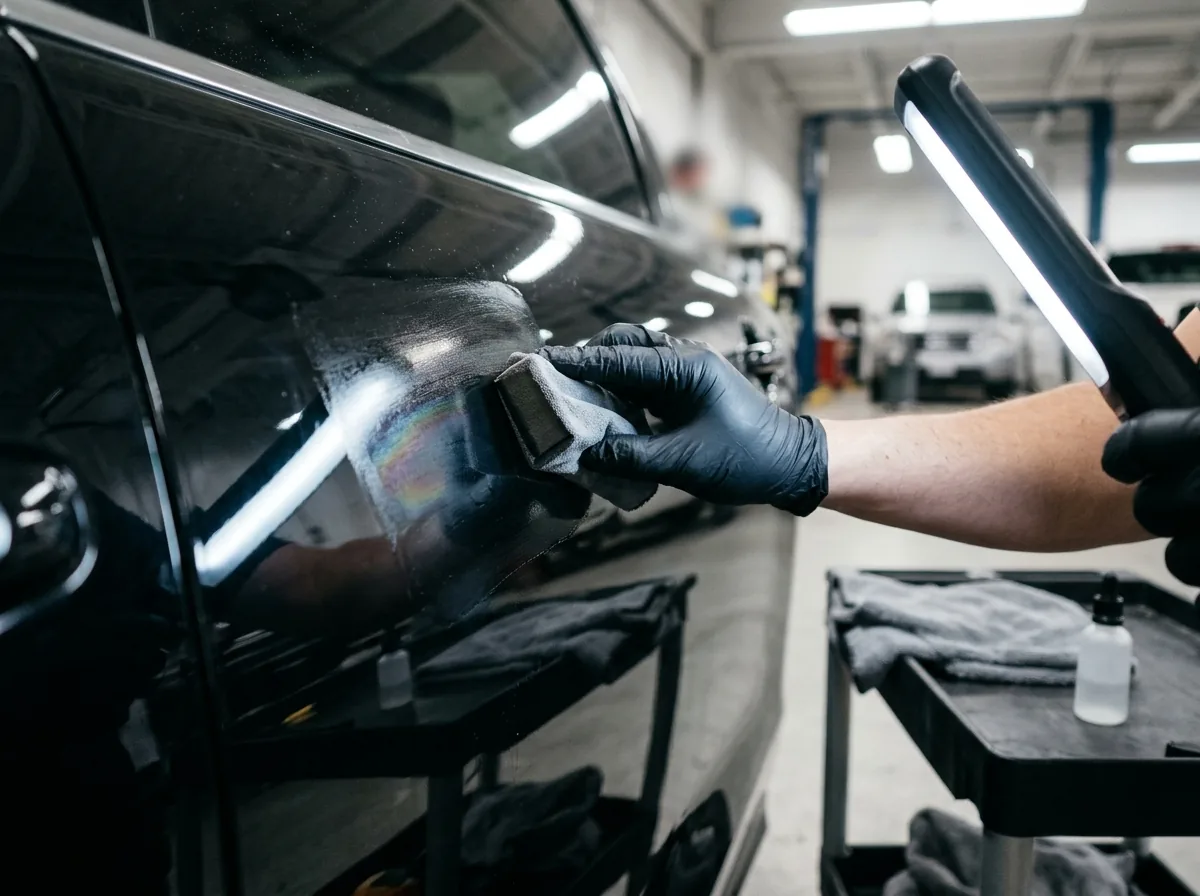
Why Kent car, truck, boat and RV owners call Ceramic Coating Kent
- Sending a request costs you nothing, and you decide whether to book
- It reaches one independent local shop, never a list of bidders
- Ask for a paint-depth reading and an inspection before correction is priced
- Ask which coating goes on and whether the maker has the warranty registered
- Plan for a week or two without washing while the coating cures
Reading the Claims: 9H, 10H, Water-Beading Angles and "Lifetime"
Graphene labels carry more numbers than most, and each measures something narrower than it sounds.
9H
A grade on the pencil-hardness scale that ASTM standardized for films. The test works up through harder and harder pencil leads until one marks the surface. It has nothing to do with the Mohs scale for minerals, though one coating maker says the industry often mixes them up.10H, or ">10H"
Ordinary pencil sets top out at 9H, so a 10H claim needs a pencil range that goes further; a coating maker that publishes its test names the set it uses, which runs from 10B up to 10H. One graphene kit advertises ">10H" with a lab report behind it, which shows the test was run, not that the paint is protected.Scratch-proof
Nothing in the rating promises it. One detailer's column on wild coating claims says a coated car scratches and swirls like bare paint, and no coating stops a rock chip; paint protection film does that job.Water contact angle
Graphene is sold on a higher angle, meaning tighter beads. A sponsored trade-press piece concedes that most people struggle to see the difference, and we found no independent measured angle for car coatings of either type.Lifetime
The years are a warranty term, and nobody standardizes them. A detailer's column calls coatings an unregulated industry, and one coating maker writes that "lifetime" sells comfort more than truth.
The most believable advantage, by one maker's account, is anti-static behavior: a graphene surface may hold less dust after a wash. That's a modest gain, and it depends on the same prep and washing as any coating.
What Graphene Costs Compared With a Standard Coating
We found no cost guide that lists graphene separately. One maker says consumer graphene products sell at about the price of premium SiO2 ones, and that price tracks how complex the formula is more than how long it lasts. A DIY graphene kit sells for about $120. Professional coatings of any chemistry run about $500 to $2,000 nationally, with correction often billed on top; that table is on the homepage.
If two quotes differ only by the word graphene, ask what else changes: the prep, the number of layers, the warranty years and what the yearly service costs.
Those are national retail and cost-guide numbers, not a quote. What a graphene upgrade adds in Kent shows up only when two tiers are priced side by side on the same paint.
Three things matter more to the result than the word on the bottle:
Prep
A coating seals in whatever is under it, so swirls get corrected first.Conditions
One maker notes that graphene formulas often need stable temperature and humidity to go on well, which points to an indoor bay. Kent's drier booking months are on the maintenance page.Upkeep
Graphene still needs the same gentle wash routine as any coating; the maintenance page has the details.